

What Is Vegan Cuisine?
Vegan cuisine refers to food that is prepared entirely without animal products. This includes meat, poultry, seafood, dairy, eggs, honey, and any derivatives thereof. At its heart, vegan cuisine is about respecting all forms of life and making conscious decisions that minimize harm—to animals, to the environment, and to one’s own body.
But vegan cuisine is far more than the sum of its ingredients. It is an exploration of flavor, texture, and nourishment drawn from the earth’s natural bounty. It challenges chefs and diners alike to think creatively, to rediscover traditional ingredients, and to appreciate the delicate balance of nature on every plate.
The Cultural Dimension of Thai Vegan Cuisine
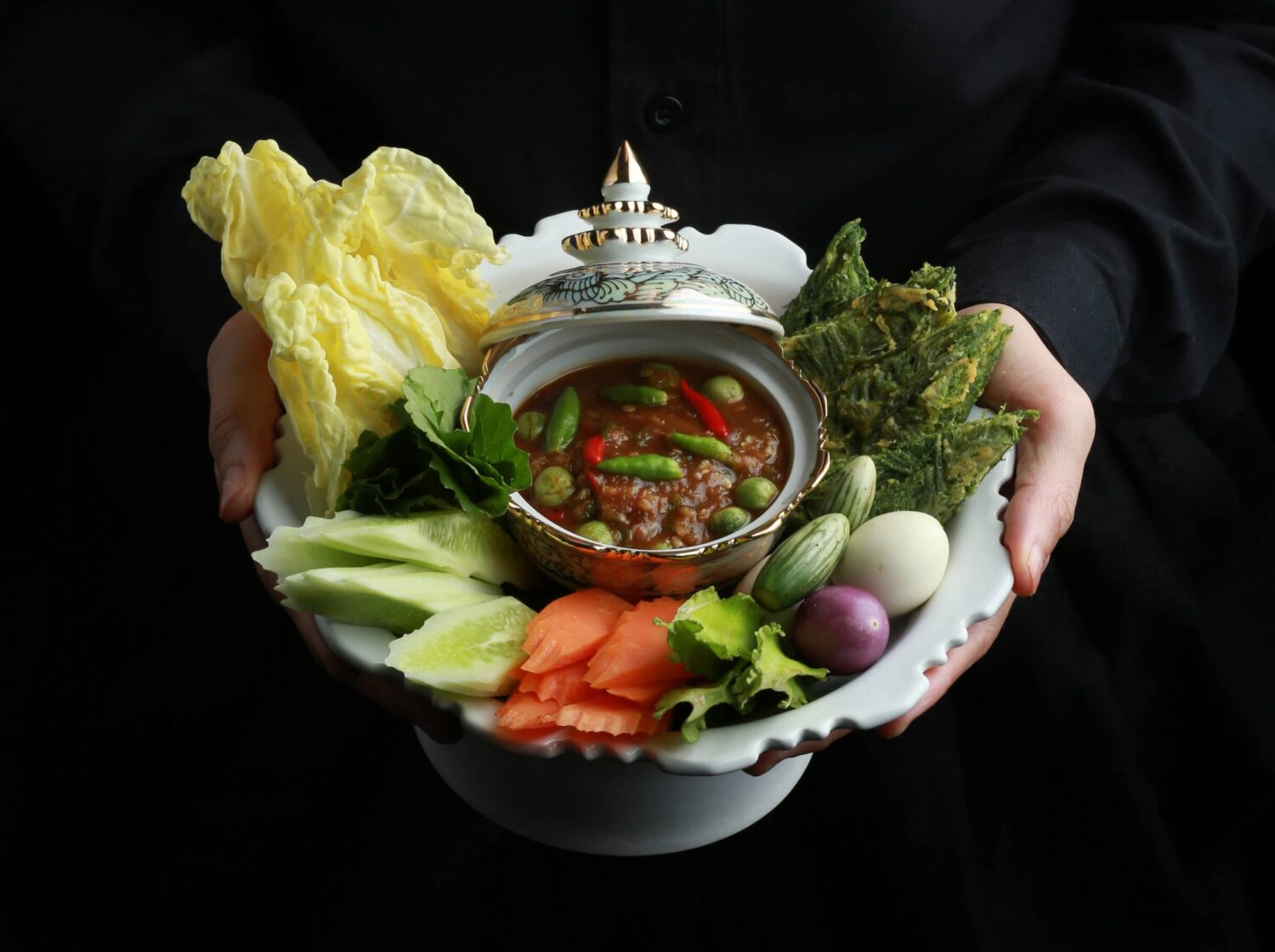
Thai cuisine, renowned for its complexity and harmony of flavors, lends itself beautifully to vegan interpretation. Traditionally, Thai cooking has always embraced an abundance of plant-based ingredients—from lemongrass, galangal, and kaffir lime to an array of tropical fruits, leafy greens, herbs, and roots. While many classic Thai dishes include fish sauce or shrimp paste, centuries-old Buddhist and Thai-Chinese communities have long practiced jay—a strict vegan diet that avoids not only animal products but also pungent vegetables such as garlic and onion.
At Vegan Mahanakhon, we draw upon both the rich legacy of jay and the vibrant soul of authentic Thai cooking to craft dishes that are respectful of tradition, refined in execution, and completely plant-based.
Why Choose Vegan Cuisine?
The reasons to embrace vegan dining are as varied and personal as the individuals who seek it. For some, it is a choice rooted in ethics—a stand against industrial farming and the exploitation of sentient beings. For others, it is a pursuit of health and vitality, a way to reduce the risk of chronic diseases while supporting longevity and energy. Still others are motivated by environmental stewardship, recognizing the profound impact that animal agriculture has on deforestation, water use, and climate change.
Scientific research increasingly affirms the benefits of plant-based diets, which have been linked to improved heart health, lower cholesterol levels, better blood sugar regulation, and reduced inflammation. Moreover, in a world grappling with food insecurity and ecological strain, plant-based diets represent a more sustainable and equitable approach to nourishment.
Whatever the motivation may be, vegan cuisine offers a pathway to alignment—between values and actions, between nourishment and nature, between personal health and collective well-being.
The Vegan Mahanakhon Experience: Where Heritage Meets Innovation
Nestled in a meticulously preserved Thai house dating back to the reign of King Rama V, Vegan Mahanakhon is more than a restaurant—it is a living embodiment of Thai history, artistry, and hospitality. The setting itself tells a story of grace and cultural continuity, echoing the architectural elegance of a bygone era. Within this storied space, we present a culinary experience that celebrates the beauty of Thai vegan cuisine with reverence and creativity.
Each dish at Vegan Mahanakhon is crafted with intention. We source fresh, seasonal produce, much of it from local and organic suppliers. Our kitchen is free from all animal-derived ingredients, and we take care to ensure that our condiments, broths, and sauces are developed in-house using traditional techniques, reimagined for the modern vegan diner.
Whether it is the aromatic warmth of a coconut-based Tom Kha, the vibrant spice of a jungle curry, or the delicately balanced flavors of a fresh herb salad, our menus reflect a commitment to authenticity without compromise. We aim to preserve the essence of Thai cuisine—its complexity, its generosity, its sense of balance—while offering a dining experience that is conscious, inclusive, and memorable.